

Gut-Brain Relationship: Why Does What I Eat Make Me Feel This Way?
The gut-brain relationship explains how the digestive system and brain communicate and influence areas such as mood, energy, digestion, and overall wellness. At REVVWELL, Dr. William J. Weirs and our team help patients better understand how nutrition, lifestyle choices, and gut health may affect how they feel. Through a personalized Functional and Lifestyle Medicine approach, our team focuses on identifying individual wellness needs and supporting healthier habits. Understanding the connection between the gut and brain can help patients make informed choices that promote long-term health and balance. For more information, contact us or schedule an appointment online. We are conveniently located at 1755 Sam Rittenberg Blvd, Charleston, SC 29407.
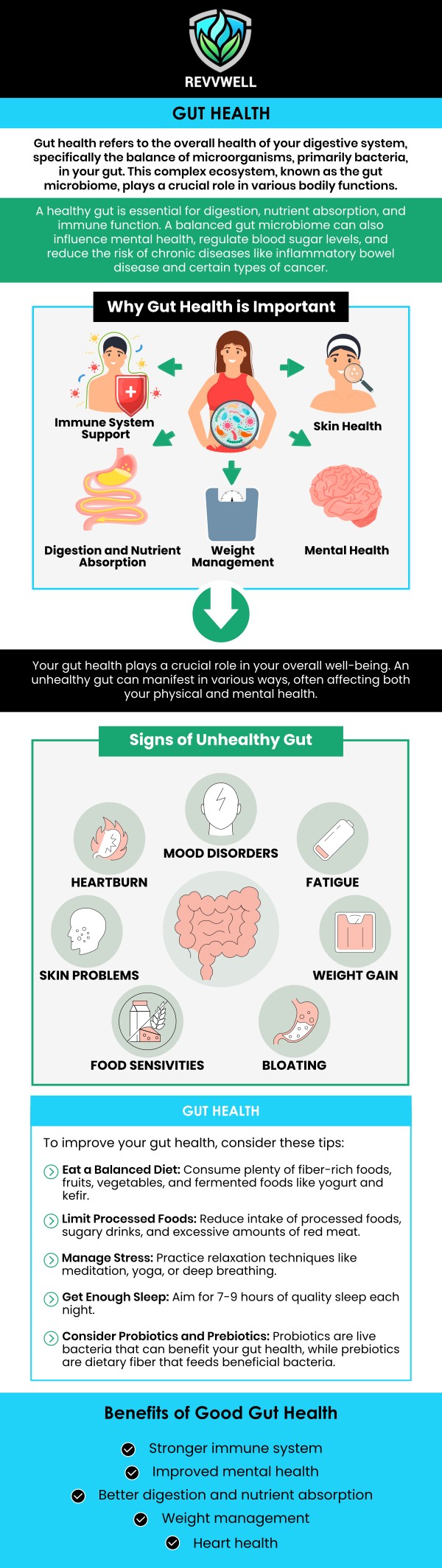
Table of Contents:
How does the gut-brain relationship affect mood, energy, and overall wellness?
Can the foods you eat influence digestion, brain function, and how you feel?
What role does the gut-brain connection play in understanding health symptoms?
How can a functional medicine approach support better gut and brain balance?
How Can Dr. William J. Weirs and the REVVWELL Team Help Support Your Gut-Brain Health Journey?
The gut-brain relationship describes the ongoing communication between the digestive system and the brain through multiple pathways, including the nervous system, immune system, and chemical signals produced in the body. The gut contains trillions of microorganisms that play a role in digestion, nutrient processing, and maintaining a healthy internal environment. Changes in gut health may influence how the body responds to stress, inflammation, energy levels, and overall well-being.
Mood, focus, and energy can be affected by many factors, including sleep, nutrition, stress levels, physical activity, and overall health. Supporting a healthy gut through balanced nutrition, adequate fiber intake, hydration, and healthy lifestyle habits may help promote better digestive function and contribute to overall wellness. Understanding this connection allows individuals to look at health more comprehensively rather than focusing on isolated symptoms.
The foods you eat provide the nutrients your body needs for digestion, energy production, and normal brain function. A balanced diet that includes a variety of whole foods, fiber-rich plants, healthy fats, and adequate protein can support digestive health and help maintain stable energy levels. Certain foods may affect individuals differently depending on their unique health needs, dietary patterns, and digestive responses.
Food choices can also influence the gut microbiome, which is the community of microorganisms living in the digestive tract. These microorganisms interact with the body in ways that support digestion and other important processes. Paying attention to how different foods affect your body can provide valuable insight into creating a personalized nutrition approach that supports both gut health and overall wellness.
The gut-brain connection helps explain why digestive health and other areas of wellness are closely linked. The digestive system communicates with the brain through complex biological pathways, and factors such as stress, nutrition, inflammation, and lifestyle habits may influence how the body functions. This connection can provide additional context when evaluating symptoms that involve digestion, energy, mood, and general health.
Understanding the gut-brain relationship encourages a broader approach to wellness by considering multiple factors that may contribute to symptoms. Instead of looking at one area of the body alone, a comprehensive evaluation may include nutrition, lifestyle habits, medical history, and other health factors to better understand an individual’s overall needs.
A functional medicine approach focuses on understanding how different systems within the body interact and how individual factors may contribute to overall health concerns. When evaluating gut and brain wellness, this approach may consider areas such as nutrition, lifestyle patterns, stress management, digestive health, and other personal health factors to develop a more personalized understanding of a person’s needs.
Supporting gut and brain balance often involves sustainable lifestyle strategies, including improving dietary habits, addressing nutritional needs, managing stress, prioritizing quality sleep, and maintaining healthy daily routines. By looking at the relationship between different body systems, a functional medicine approach aims to support long-term wellness through individualized care and informed health decisions.
Dr. William J. Weirs, MD, F.A.A.E.M., brings extensive medical experience and a functional approach to understanding how different areas of health are connected. His approach focuses on looking beyond individual symptoms and considering how nutrition, lifestyle factors, environmental influences, and body systems may interact. Through REVVWELL, Dr. Weirs works with patients to better understand their unique health concerns and create personalized wellness strategies designed around their individual needs.
The REVVWELL team supports patients by providing comprehensive guidance focused on improving overall wellness through education, advanced evaluations, and personalized recommendations. By recognizing the important connection between gut health, brain function, and whole-body balance, Dr. Weirs and the team help patients make informed choices that support long-term health goals and a more proactive approach to wellness. For more information, contact us or schedule an appointment online. We are conveniently located at 1755 Sam Rittenberg Blvd, Charleston, SC 29407. We serve patients from Downtown Charleston SC, West Ashley SC, James Island SC, Mt. Pleasant SC, Daniel Island SC, Johns Island SC, Kiawah Island SC, Seabrook Island SC, North Charleston SC, Hanahan SC, Folly Beach SC, and surrounding areas.

Check Out Our 5 Star Reviews


Additional Services You May Need
▸Functional Medicine
▸Advanced Lab Testing
▸Peptide Therapy
▸IV Therapy
▸Genomics
▸Functional Health Coaching
▸Optimal Fitness

Additional Services You May Need
▸Functional Medicine
▸Advanced Lab Testing
▸Peptide Therapy
▸IV Therapy
▸Genomics
▸Functional Health Coaching
▸Optimal Fitness




 Send Text
 How May I Help You?