

Why You Might Still Feel Unwell When Routine Labs Are “Normal”
At REVVWELL, we understand that routine lab results may appear normal even when fatigue, poor sleep, digestive concerns, mood changes, or unexplained weight changes continue. Standard panels evaluate selected markers and may not reveal every nutritional, hormonal, metabolic, or inflammatory factor affecting how you feel. Our personalized approach considers symptoms, health history, lifestyle, and targeted testing to provide a clearer understanding of your overall health. For more information, contact us or schedule an appointment online. We are conveniently located at 1755 Sam Rittenberg Blvd, Charleston, SC 29407.
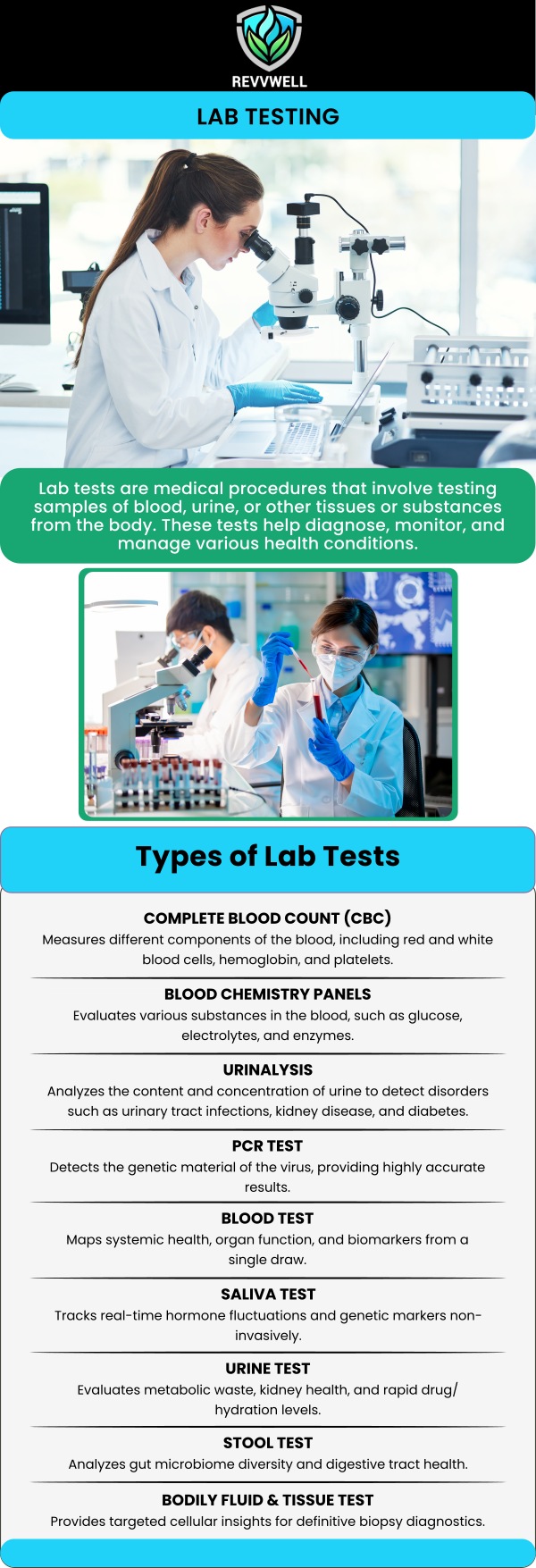
Table of Contents:
Why might you still feel unwell when routine lab results are normal?
Do routine labs provide a complete picture of overall health?
When should you seek another evaluation for ongoing symptoms?
Can hormone imbalances cause symptoms despite normal routine labs?
Still Feeling Unwell Despite “Normal” Labs? Get a Deeper Health Evaluation at REVVWELL
Routine lab results may appear normal even when a person continues to experience fatigue, digestive discomfort, headaches, sleep changes, reduced concentration, mood changes, or unexplained weight fluctuations. Standard tests usually evaluate selected markers and may not assess every possible contributor to ongoing symptoms. Results can also be influenced by hydration, recent meals, physical activity, medications, supplements, stress, and the time of day the sample was collected.
A result within the reference range does not always explain how an individual feels or rule out every health concern. Symptoms may be related to sleep quality, nutrition, hormonal changes, medication effects, stress, or a condition that requires a more targeted evaluation. A physician may review symptom patterns, medical history, physical findings, previous results, and additional testing to gain a more complete understanding.
Routine labs can provide useful information about blood counts, blood sugar, cholesterol, and liver or kidney function. However, they do not provide a complete picture of every system in the body. The tests included in a routine panel can vary, and some nutritional, hormonal, immune, digestive, inflammatory, or metabolic concerns may require separate or more focused testing.
Lab results are most useful when reviewed alongside symptoms, health history, lifestyle factors, physical findings, and changes over time. A single test provides only a snapshot of health at one point. Comparing past and current results, tracking symptoms, and choosing tests based on individual concerns may offer greater insight than relying on routine values alone.
Another evaluation may be appropriate when symptoms continue, become more frequent, worsen, interfere with daily life, or remain unexplained despite normal routine lab results. Follow-up may also be important when new symptoms develop or when personal or family health history raises additional concerns. Keeping a record of symptoms, timing, triggers, sleep patterns, diet, and daily changes can provide helpful information during the evaluation.
A physician may repeat certain tests, compare results over time, review medications and supplements, or recommend more targeted testing based on the symptoms. Immediate medical attention should be sought for severe or sudden symptoms such as chest pain, difficulty breathing, fainting, confusion, sudden weakness, or other rapidly developing changes.
Hormonal concerns may contribute to symptoms even when routine laboratory results appear normal because many standard panels do not include detailed hormone testing. Hormone levels may also change throughout the day, menstrual cycle, life stage, or in response to stress, sleep, illness, and medications. The meaning of a result depends on which hormone was measured, when the sample was collected, and how it relates to the individual’s symptoms.
Symptoms such as fatigue, weight changes, temperature sensitivity, sleep disruption, menstrual irregularities, reduced libido, or mood changes may lead a physician to consider targeted hormonal testing. Evaluation may involve reviewing several related markers instead of relying on one value. Because these symptoms can have many possible causes, hormone results should be interpreted alongside medical history, physical findings, and other relevant information.
At REVVWELL, we understand how frustrating it can be to continue experiencing fatigue, digestive concerns, mood changes, poor sleep, unexplained weight fluctuations, or difficulty concentrating when routine lab results appear normal. Standard testing often reviews only a limited group of markers, which may not fully reflect nutritional status, hormone patterns, metabolic function, inflammation, or other factors that can influence how you feel.
Our approach looks beyond isolated numbers by considering your symptoms, health history, lifestyle, previous results, and long-term wellness goals. When appropriate, additional standard or advanced testing may help identify patterns that routine panels do not reveal. By combining objective measurement with personalized evaluation and ongoing follow-up, REVVWELL works to develop a clearer understanding of your health and guide informed next steps. For more information, contact us or schedule an appointment online. We are conveniently located at 1755 Sam Rittenberg Blvd, Charleston, SC 29407. We serve patients from Downtown Charleston SC, West Ashley SC, James Island SC, Mt. Pleasant SC, Daniel Island SC, Johns Island SC, Kiawah Island SC, Seabrook Island SC, North Charleston SC, Hanahan SC, Folly Beach SC, and surrounding areas.

Check Out Our 5 Star Reviews


Additional Services You May Need
▸Functional Medicine
▸Advanced Lab Testing
▸Peptide Therapy
▸IV Therapy
▸Genomics
▸Functional Health Coaching
▸Optimal Fitness

Additional Services You May Need
▸Functional Medicine
▸Advanced Lab Testing
▸Peptide Therapy
▸IV Therapy
▸Genomics
▸Functional Health Coaching
▸Optimal Fitness




 Send Text
 How May I Help You?